How to Lower Cholesterol Naturally: A Complete Guide for a Healthier Heart
If your recent lab report flagged "high cholesterol," you're not alone. Cardiovascular disease is now one of the leading health concerns across Pakistan, driven by our love for fried foods, sedentary desk jobs, and the everyday stress of city life. The good news? For most people, cholesterol isn't a life sentence — it's a signal to make changes, and nature has given us powerful tools to help.
In this guide, we'll break down what cholesterol actually is, why it matters for your heart, and the natural, sustainable ways — including time-tested herbal ingredients — that can help bring it back into balance.
What Is Cholesterol, and Why Does It Matter?
Cholesterol is a waxy substance your body needs to build cells and produce hormones. The problem isn't cholesterol itself — it's the balance between:
- LDL (Low-Density Lipoprotein) — often called "bad" cholesterol, because excess LDL builds up in your artery walls, narrowing blood vessels and restricting circulation.
- HDL (High-Density Lipoprotein) — the "good" cholesterol, which helps clear excess LDL from your bloodstream.
When LDL levels climb too high, your risk of heart attack, stroke, and poor circulation rises significantly. In Pakistan, where diets are often rich in ghee, red meat, and fried snacks, this imbalance is increasingly common — even in people under 40.
Common Symptoms of High Cholesterol (Often Silent)
High cholesterol rarely shows obvious symptoms early on, which is why it's called a "silent" condition. Watch for:
- Fatigue or reduced stamina during daily activities
- Chest discomfort or tightness
- Numbness or coldness in hands and feet (poor circulation)
- Family history of heart disease or diabetes
The only reliable way to know is a lipid profile blood test — something every adult over 30 should get checked annually, especially with a family history of heart issues.
Natural Ways to Lower Cholesterol
1. Rethink Your Cooking Oil
Swapping ghee and heavily processed vegetable oils for olive oil or small amounts of desi ghee (in moderation) can make a measurable difference over a few months.
2. Add More Fiber to Your Diet
Soluble fiber — found in oats, lentils (daal), and fruits like apples and guavas — binds to cholesterol in the digestive system and helps remove it from the body.
3. Garlic: Nature's Cardiovascular Ally
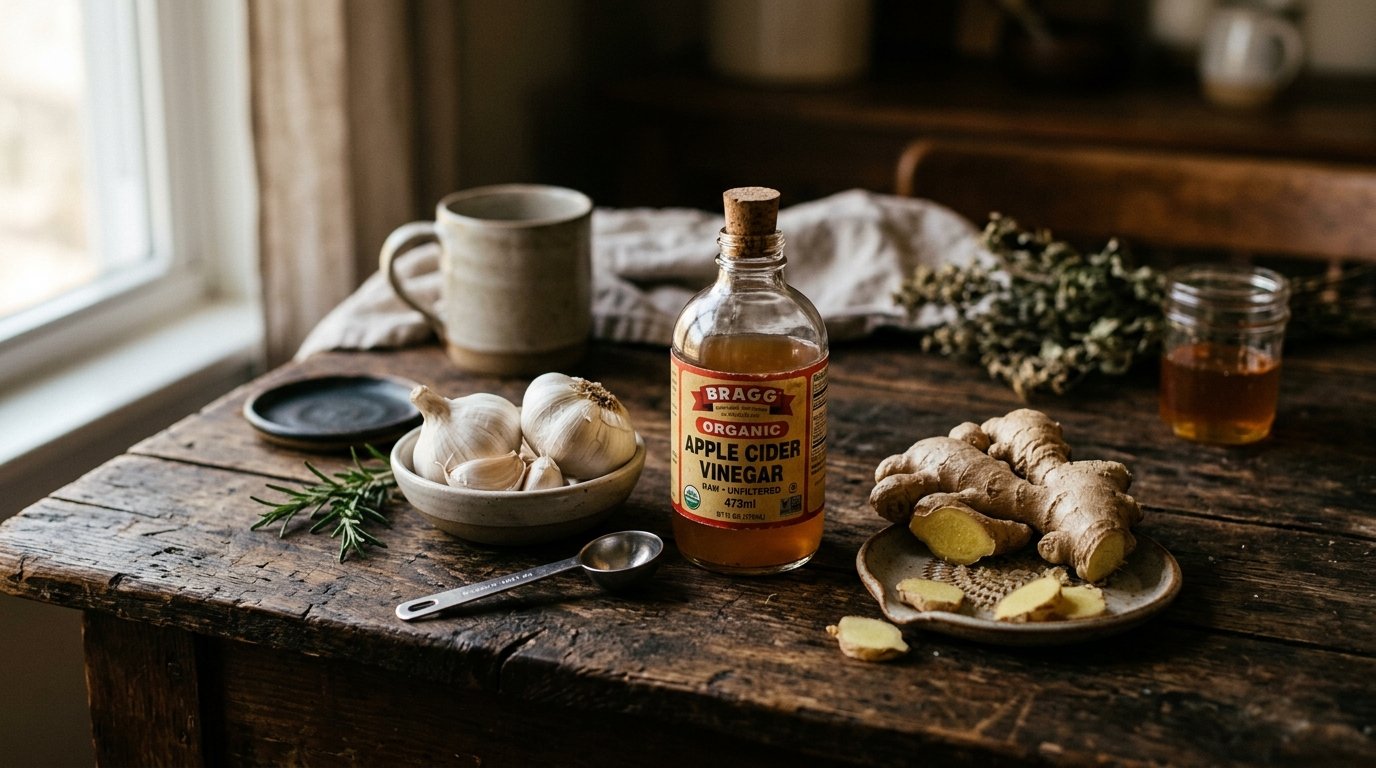
Garlic has been used for centuries in South Asian households for heart health, and modern research increasingly supports what our grandmothers already knew — regular garlic consumption is linked to healthier cholesterol levels and improved circulation.
4. Ginger for Circulation
Ginger is known to support healthy blood flow and may help reduce inflammation in blood vessels, complementing garlic's effects.
5. Apple Cider Vinegar
Often used as part of a heart-healthy routine, apple cider vinegar may support healthy cholesterol metabolism when taken consistently and in moderation.
6. Move Your Body Daily
Even a brisk 30-minute walk, 5 days a week, has been shown to raise HDL (good cholesterol) and improve overall cardiovascular fitness — no gym membership required.
7. Manage Stress and Sleep
Chronic stress and poor sleep are strongly linked to unhealthy lipid profiles. Prioritizing 7-8 hours of sleep and simple stress management (even 10 minutes of daily prayer or meditation) supports heart health long-term.
Why Combine These Ingredients Instead of Taking Them Separately?
Garlic, ginger, lemon, and apple cider vinegar each offer individual benefits — but combined in the right ratios, they work synergistically to support circulation, help maintain already-healthy cholesterol levels, and give your cardiovascular system daily support without added sugar or artificial preservatives.
This is exactly why we formulated Cardio Care Syrup — a 100% sugar-free, organic blend of garlic, ginger, lemon, black seeds, apple cider vinegar, and honey, designed specifically for people who want a natural daily ritual for heart health rather than juggling five separate remedies in the kitchen every morning.
When Should You See a Doctor?
Natural remedies and lifestyle changes work best as support, not a replacement for medical care. If your lipid profile shows significantly elevated LDL, or if you have existing heart conditions, diabetes, or are on prescribed medication, always consult your doctor before making major changes — natural approaches can often work alongside medical treatment, not instead of it.
Frequently Asked Questions
Q: Can natural remedies really lower cholesterol, or is medication always necessary?
For borderline-high cholesterol, diet and lifestyle changes are often the first line of defense doctors recommend. For significantly elevated levels, medication combined with natural support is usually most effective.
Q: How long does it take to see results from natural cholesterol management?
Most people notice changes in energy and digestion within 2-4 weeks, while measurable changes in lipid profile typically take 2-3 months of consistent effort.
Q: Is Cardio Care Syrup safe for diabetics?
Yes — it's formulated to be 100% sugar-free, making it suitable for those monitoring blood sugar. As always, consult your doctor if you're on diabetes medication.
Q: Can I take Cardio Care Syrup alongside my cholesterol medication?
Generally, natural ingredients like garlic and ACV are well-tolerated alongside common medications, but always inform your doctor about any supplements you're taking.
Final Thoughts
Managing cholesterol naturally isn't about drastic overnight change — it's about small, consistent choices: better oils, more fiber, daily movement, and giving your body the botanical support it's been using for generations. Products like Cardio Care Syrup simply make that daily ritual easier to stick to.